
Prototyping is a crucial step in the game development process. It allows developers to test ideas, mechanics, and gameplay before committing to full production. A well-crafted prototype can save time, resources, and lead to a more polished final product. In this article, we will explore the essential steps and best practices for creating an effective game prototype.
1. Understanding the Purpose of a Prototype
Defining Prototyping Goals
Before diving into the prototyping process, it’s essential to define the purpose of your prototype. Are you testing a new game mechanic, exploring a narrative idea, or validating an art style? Clarifying your goals will help you focus your efforts and determine the necessary features to include.
Types of Prototypes
Prototypes can vary in fidelity from low to high. Low-fidelity prototypes might be simple sketches or paper models that represent core mechanics, while high-fidelity prototypes may include fully functional gameplay elements. Choose the type of prototype that best suits your goals and resources.
2. Developing Core Mechanics
Identifying Key Features
Start by identifying the core mechanics that define your game. These are the elements that will engage players and set your game apart. Focus on a few key mechanics that encapsulate the essence of your game, as this will help you create a prototype that effectively tests your ideas.
Simplifying Complexity
When creating a prototype, it’s essential to simplify complex systems. Remove unnecessary features or content that could distract from the core experience. This streamlined approach allows for quicker iteration and clearer feedback on the mechanics you are testing.
3. Choosing the Right Tools
Prototyping Software
Selecting the right tools for prototyping is crucial. Many game engines, such as Unity and Unreal Engine, offer powerful features for building prototypes quickly. Alternatively, simpler tools like GameMaker or Construct can be used for 2D games. Choose a platform that aligns with your skill level and the scope of your prototype.
Utilizing Rapid Prototyping Techniques
Employing rapid prototyping techniques, such as agile development or iterative design, can streamline the creation process. These methods focus on short development cycles and frequent testing, allowing you to refine your prototype based on real-time feedback.
4. Creating the Prototype
Building a Minimum Viable Product (MVP)
When developing your prototype, aim for a Minimum Viable Product (MVP). This version should include only the essential features needed to demonstrate the core mechanics and gameplay loop. An MVP allows you to focus on the most critical aspects of your game without getting bogged down in details.
Incorporating Feedback Loops
As you build your prototype, establish mechanisms for gathering feedback. This could involve playtesting sessions with friends, colleagues, or potential players. Observing how others interact with your prototype can provide invaluable insights into its strengths and weaknesses. Read our explanation of the game development process in this article.
5. Testing and Iterating
Conducting Playtests
Once your prototype is functional, conduct playtests to evaluate gameplay and mechanics. Invite diverse players to participate, as different perspectives can highlight various issues or areas for improvement. Encourage honest feedback and be open to constructive criticism.
Iterating Based on Feedback
Use the feedback gathered from playtests to iterate on your prototype. Make adjustments to gameplay mechanics, controls, or visuals as needed. This iterative process is vital for refining your ideas and ensuring that your game resonates with players.
6. Documenting the Process
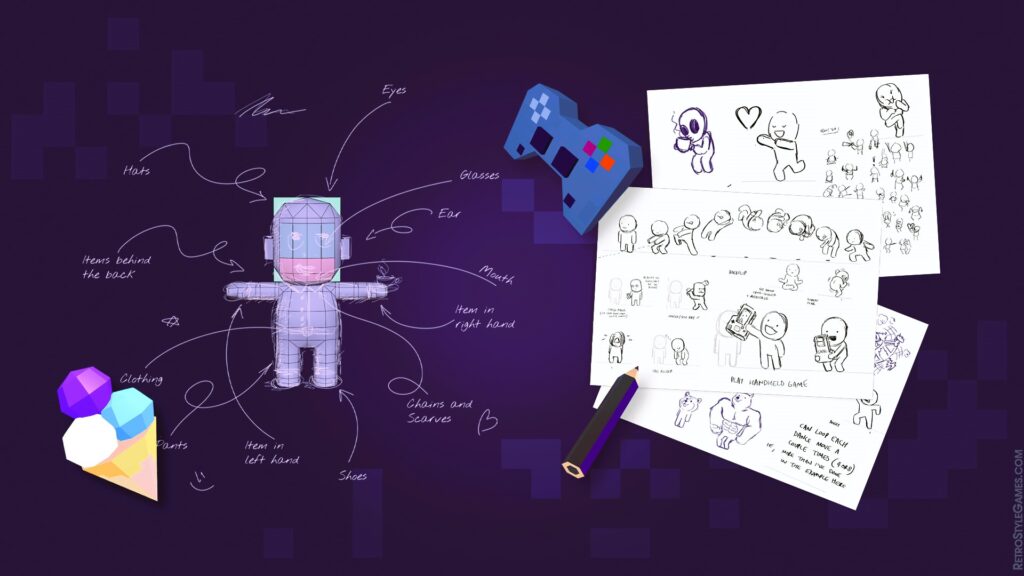
Keeping Track of Changes
Throughout the prototyping phase, document your decisions, changes, and feedback. Keeping detailed notes will help you understand the evolution of your prototype and inform future development stages. Documentation can also serve as a valuable reference for team members or collaborators.
Creating a Design Document
Consider creating a design document that outlines your game’s vision, mechanics, and goals. This document can serve as a roadmap for the development process, ensuring that all team members are aligned and focused on the same objectives.
7. Preparing for Production
Assessing Prototype Success
After several iterations and playtests, assess the success of your prototype. Determine whether it effectively communicates your game concept and if the mechanics are enjoyable. A successful prototype should inspire confidence in your game’s potential.
Transitioning to Full Development
Once you feel satisfied with your prototype, it’s time to transition to full development. Use the insights gained during the prototyping phase to inform your design and production processes. A solid prototype will pave the way for a more efficient and focused development cycle.
Creating a game prototype is a fundamental step in the game development process. By understanding the purpose of a prototype, developing core mechanics, choosing the right tools, building an MVP, testing and iterating, documenting the process, and preparing for production, developers can create effective prototypes that lead to successful games.
For more information on game prototyping, visit the Wikipedia page on Game Prototyping. Embrace the prototyping process as a valuable opportunity to explore your creative ideas and refine them into engaging gaming experiences.