
Creating a successful indie game is a challenging yet rewarding endeavor. To navigate the complexities of game development, aspiring indie developers should familiarize themselves with fundamental game design principles. These principles guide the creation process, helping to ensure that the game is engaging, fun, and accessible. This article explores key game design principles that every indie developer should know.
1. Understanding Your Audience
Identifying Target Players
Before diving into game development, it’s crucial to identify your target audience. Understanding who your players are, what they enjoy, and their gaming habits can inform many design decisions. For instance, casual gamers may prefer simple mechanics and shorter play sessions, while hardcore gamers might appreciate complex systems and deep narratives.
Tailoring Experiences
Once you understand your audience, tailor your game’s mechanics, story, and aesthetic to resonate with them. Engaging with your community through forums or social media can provide valuable insights and feedback during the development process.
2. Defining Clear Goals
Establishing Objectives
Every game should have clear objectives, whether they are story-driven or gameplay-focused. These goals guide players through the experience and provide a sense of accomplishment. For instance, in platformers like Super Meat Boy, the objective is clear: reach the end of each level while overcoming obstacles.
Maintaining Focus
Defining your game’s goals helps maintain focus throughout development. It ensures that all elements of the game serve a purpose and contribute to the overall experience. Developers should regularly revisit these goals to ensure alignment with their vision.
3. Balancing Challenge and Skill

Creating a Learning Curve
One of the most critical aspects of game design is balancing challenge and player skill. A well-designed game should gradually increase in difficulty, allowing players to learn and master mechanics as they progress. This concept, often referred to as the “learning curve,” keeps players engaged without overwhelming them.
Implementing Feedback
Providing feedback is essential for helping players understand their progress and areas for improvement. Visual or auditory cues can indicate success or failure, and tutorials or in-game tips can guide players in mastering mechanics. This balance of challenge and skill is vital for player retention. Creating a game prototype, see the best steps and best practices.
4. Encouraging Exploration and Discovery
Designing Engaging Environments
Exploration is a key component of many successful indie games. Environments should be designed to encourage players to explore and discover new areas, secrets, or mechanics. Games like Hollow Knight and Celeste create worlds that invite curiosity and reward players for their efforts.
Layering Content
By layering content—such as hidden items, alternate paths, and lore—developers can create a rich, immersive experience. This approach fosters a sense of discovery, encouraging players to engage more deeply with the game.
5. Crafting a Compelling Narrative
Storytelling Techniques
Narrative plays a significant role in many indie games. A compelling story can draw players in and make their experience more meaningful. Developers should consider various storytelling techniques, such as character development, world-building, and player choice, to create an engaging narrative.
Emotional Resonance
Indie games often explore personal and emotional themes that resonate with players. Incorporating these elements into the narrative can enhance the overall experience and foster a stronger connection between players and the game.
6. Iteration and Playtesting
The Importance of Feedback
Game design is an iterative process. Developers should be open to feedback and willing to make changes based on playtesting results. Gathering input from players during development can identify areas for improvement and refine gameplay mechanics.
Continuous Improvement
Playtesting should be conducted throughout the development cycle, allowing developers to observe player behavior and reactions. This practice helps ensure that the final product meets player expectations and is enjoyable to play.
7. Leveraging Art and Sound
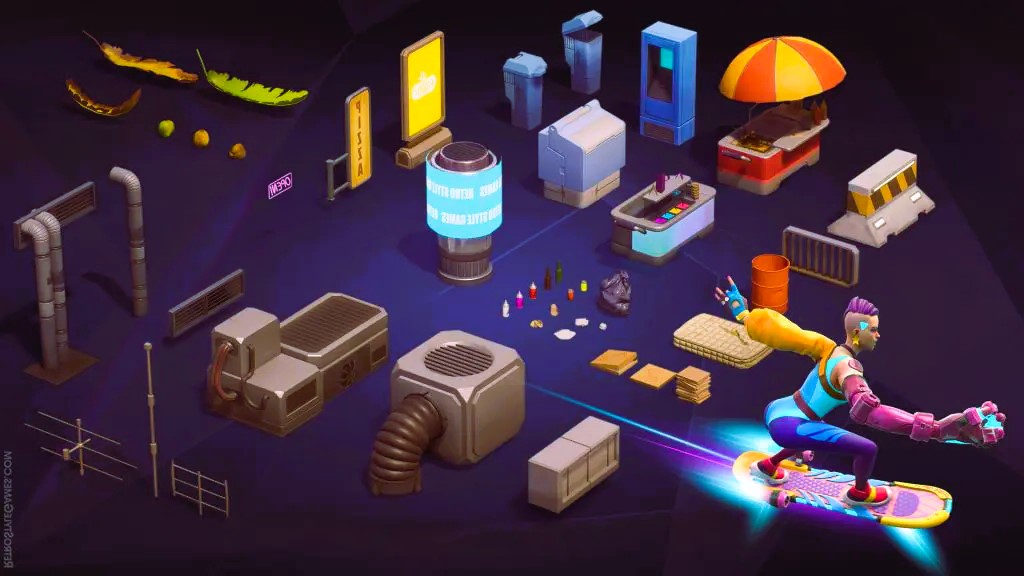
Visual and Auditory Design
Art and sound design are crucial aspects of game development. A unique art style can help a game stand out, while sound effects and music can enhance the atmosphere and emotional impact. Indie developers should invest time in crafting a cohesive aesthetic that aligns with their game’s themes and mechanics.
Creating Immersive Experiences
Immersive experiences are achieved through the seamless integration of visual and auditory elements. Thoughtfully designed graphics and soundscapes can transport players into the game world, making their experience more engaging and memorable.
Understanding these game design principles is essential for every indie developer aspiring to create a successful game. By focusing on the audience, defining clear goals, balancing challenge and skill, encouraging exploration, crafting compelling narratives, embracing iteration, and leveraging art and sound, developers can create engaging and memorable experiences.
For further reading on game design principles, visit the Wikipedia page on Game Design. The journey of game development is challenging, but with a solid understanding of these principles, indie developers can increase their chances of success in the competitive gaming landscape.